Best Landing Page Practices That Drive More Conversions
A landing page is often the first real interaction a potential customer has with your brand. Unlike homepages, landing pages have one clear goal: convert visitors into leads or customers.
If your landing pages aren’t converting, you’re leaving revenue on the table. In this guide, we’ll walk through the best landing page practices proven to boost engagement, trust, and conversions in 2026 and beyond.
1. Start With a Clear, Benefit-Driven Headline
Your headline is the most important element on the page. Visitors should understand your value proposition within 3 seconds.
Best Practices:
- Focus on benefits, not features
- Keep it short, clear, and specific
- Match the message to your ad or referral source
✅ Good example:
“Get 30% More Leads With Our Free Landing Page Checklist”
❌ Bad example:
“Welcome to Our Website”
2. Use One Clear Call-to-Action (CTA)
High-converting landing pages focus on one action only. Multiple CTAs create confusion and reduce conversions.
CTA Optimization Tips:
- Use action-oriented language (“Get Started,” “Download Free Guide”)
- Make CTA buttons visually prominent
- Repeat the CTA strategically down the page
💡 Pro Tip: Use contrasting colors for CTA buttons without clashing with your brand.
3. Keep the Design Simple and Focused
Clutter kills conversions. Every element on your landing page should support the primary goal.
Design Best Practices:
- Remove navigation menus
- Use whitespace generously
- Follow a clear visual hierarchy
- Optimize for mobile first
A clean layout keeps users focused and improves user experience (UX).
4. Add Social Proof and Trust Signals
People trust people. Social proof reassures visitors that others have already taken action—and benefited.
Effective Trust Elements:
- Customer testimonials
- Star ratings or reviews
- Client logos
- Case study highlights
- Security badges and guarantees
Even one strong testimonial near your CTA can significantly improve conversions.
5. Optimize Forms for Less Friction
Long forms scare users away. Ask only for what you truly need.
Form Optimization Tips:
- Limit fields to essentials (name + email works best)
- Use inline validation
- Clearly explain what users get after submitting
- Avoid unnecessary phone number requests
📈 Fewer fields = higher conversion rates.
6. Match Page Content to Traffic Source
Message mismatch is a conversion killer. Your landing page must align with the ad, email, or link that brought visitors there.
Ensure consistency in:
- Headlines
- Keywords
- Offers
- Tone and visuals
This improves Quality Score, trust, and engagement.
7. Improve Page Load Speed
A one-second delay can reduce conversions by up to 7%.
Speed Optimization Tips:
- Compress images
- Use lightweight fonts
- Minimize scripts
- Enable caching
Fast pages create better user experiences and rank higher in search engines.
8. Use Visuals That Support the Message
Images and videos should reinforce your value—not distract from it.
Visual Best Practices:
- Use product screenshots or explainer videos
- Avoid generic stock photos
- Show real people when possible
- Use directional cues (arrows, eye-line focus) toward CTA
9. A/B Test Continuously
There is no “perfect” landing page—only optimized versions.
Test:
- Headlines
- CTA copy and color
- Form length
- Page layouts
- Hero images
Small improvements can lead to big gains over time.
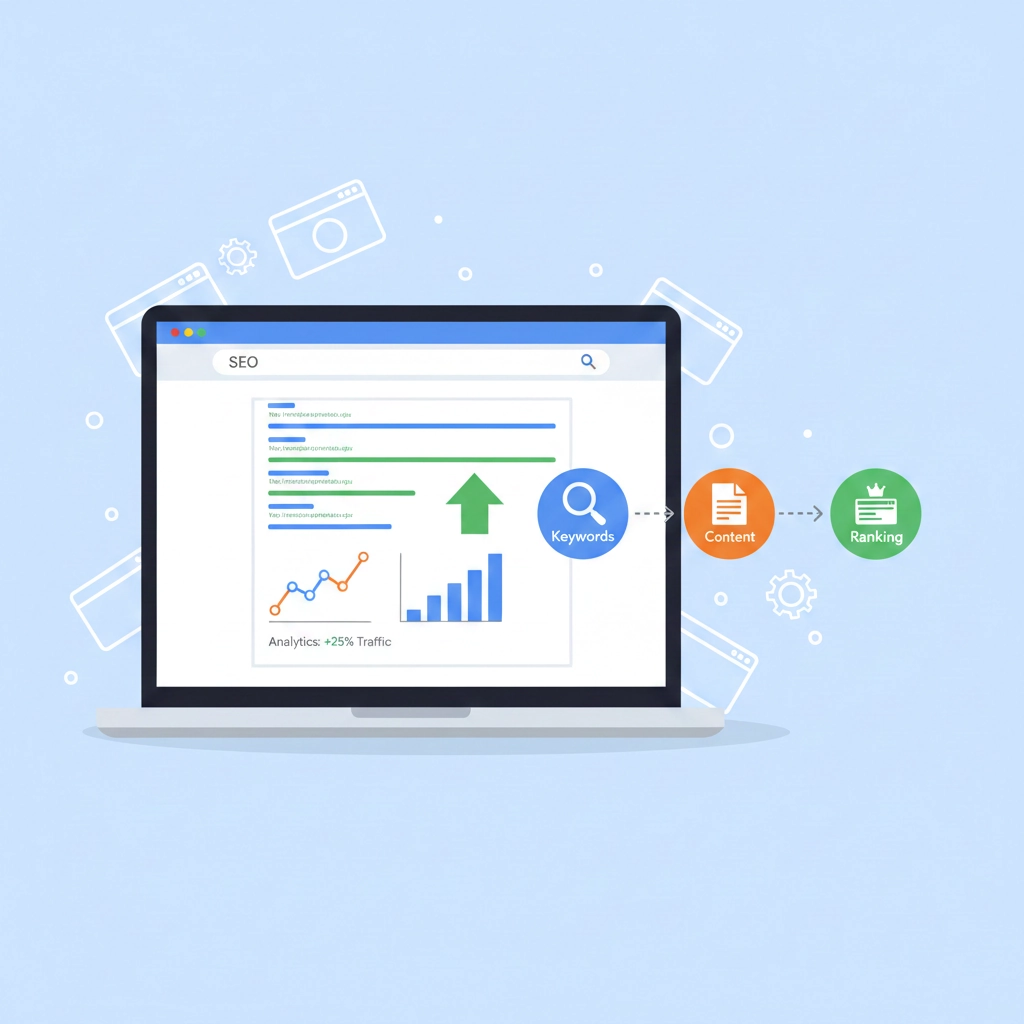
10. Optimize for SEO (Yes, Even Landing Pages)
While many landing pages are paid-traffic focused, SEO still matters.
SEO Best Practices:
- Use your focus keyword naturally in headings
- Optimize title tags and meta descriptions
- Add internal links to related blog posts
- Use schema markup if applicable
SEO-optimized landing pages bring long-term organic traffic.
Final Thoughts
Following these best landing page practices will help you:
- Increase conversion rates
- Improve user experience
- Lower acquisition costs
- Build trust faster
Whether you’re running paid ads or organic campaigns, a well-optimized landing page can be the difference between clicks and customers.